You have a great food idea. Now what?
After diligently doing your market study, sending out samples to your friends and spending countless times perfecting your product’s recipe, you’ve decided it’s time for you to sell and earn those $$$. Most people start small–hopping between weekend markets, offering products online or taking orders from family and friends. At this scale, many starting food producers usually earn a somewhat decent income. But a few, maybe even more than a few, dream of scaling big and want to see their labor of love displayed in grocery shelves and specialty stores. For those that do little research and decide to jump in quickly, their dream is often cut short by regulatory nuances especially those concerning the Philippine Food and Drug Administration or Phil FDA. Their hustle becomes a hassle.
The Philippine Food and Drug Administration

The FDA is the main agency that regulates bakeries and manufacturers of pre-packaged food in the Philippines. Apart from this, they also regulate drugs, cosmetics, household urban hazardous substances (think bleach, detergents, pesticides and toys!), medical devices, radiation-emitting devices and all other related articles. Currently, their main office is located in Alabang, Muntinlupa City, Philippines with an action center located at Starmall Alabang, in the same city. The FDA Action Center is where all applications and inquiries are routed.
FDA is mandated to ensure the safety, efficacy or quality of health products…which means food, drugs, cosmetics, devices, biologicals, vaccines, in-vitro diagnostic reagents, radiation-emitting devices or equipment, and household/urban hazardous substances, including pesticides and toys, or consumer products that may have an effect on health…
Excerpt from About FDA from the Phil FDA website
FDA’s main regulatory work is divided among its four centers. These are the:
-Center for Cosmetics and Household Urban Hazardous Substances Regulation and Research
-Center for Drug Regulation and Research
-Center for Device Regulation, Radiation Health and Research
-Center for Food Regulation and Research
The names of each center are pretty much a giveaway on which types of products they regulate. For the most part throughout this blog, we’d only be focusing on aspects concerning the Center for Food.
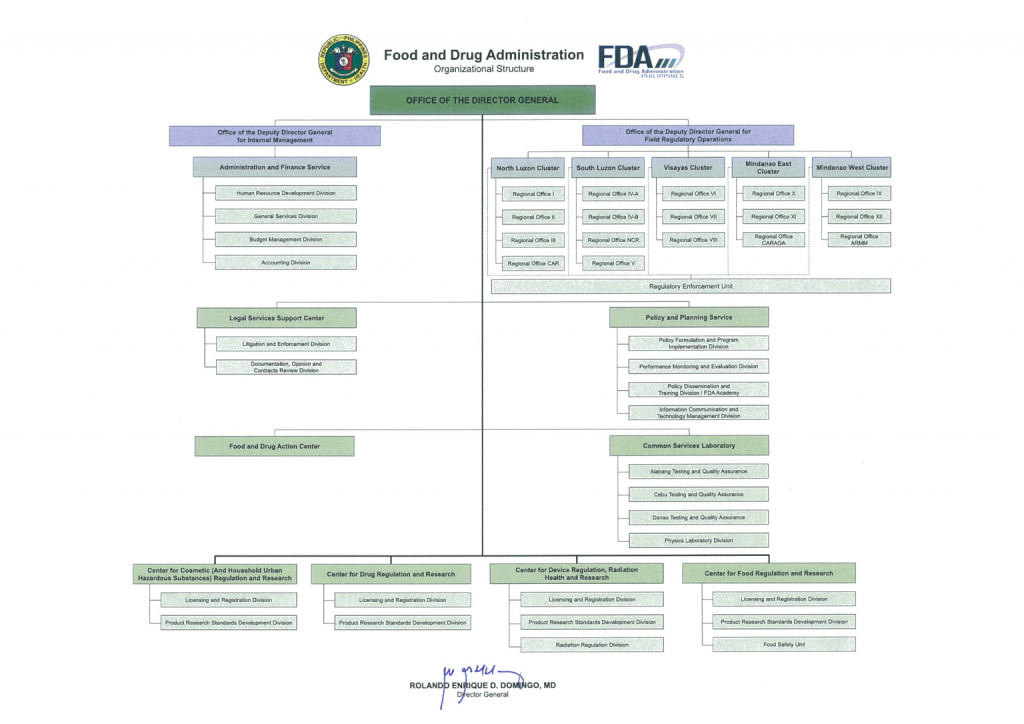
Often enough, FDA is equated with a lot (I mean A LOT) of paperwork. I’d say this is true. Navigating the rules and regulations food manufactures should know and follow are daunting enough for people working in the industry, much more so to those who are new.
I have a food product, do I need an FDA license?
Assuming you have all your other permits in place, not all people in the business of food need to comply with FDA requirements. Only those who deal and produce pre-packaged food and bakery items do. Have a small eatery? FDA doesn’t concern you. Own a small burger joint? Nope. Selling your signature fried chicken? Yum! But to some extent, FDA doesn’t affect you either. A pre-packaged food product “refers to processed food made up in advance, packed in a container, labeled and ready for sale to the consumer or for catering purposes.” To put it simply, if your food product comes in a bottle, sachet, wrapped in a plastic pouch, placed in sealed box or canned and may be eaten way after it’s been made and sold, then you need to comply to the FDA requirements.
Pre-packaged food product refers to processed food made up in advance, packed in a container, labeled and ready for sale to the consumer or for catering purposes.
From the march 2020 Draft FDA Administrative ORDer repealing A.o 153 S.2004
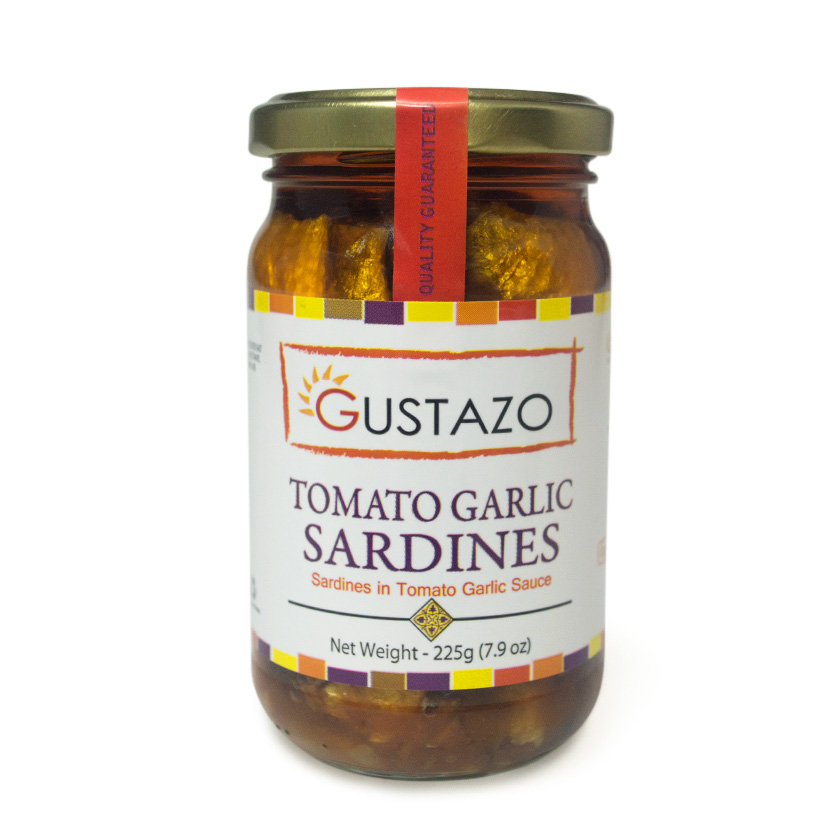
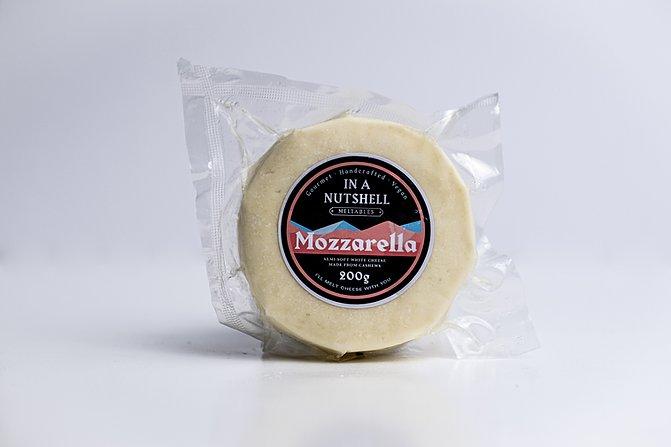
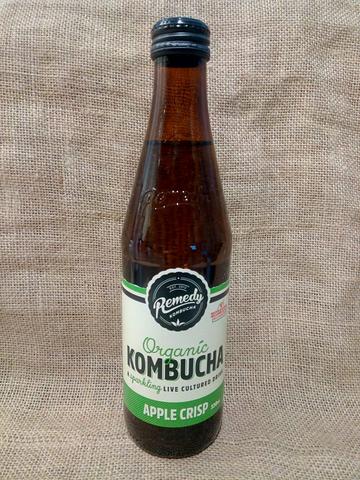
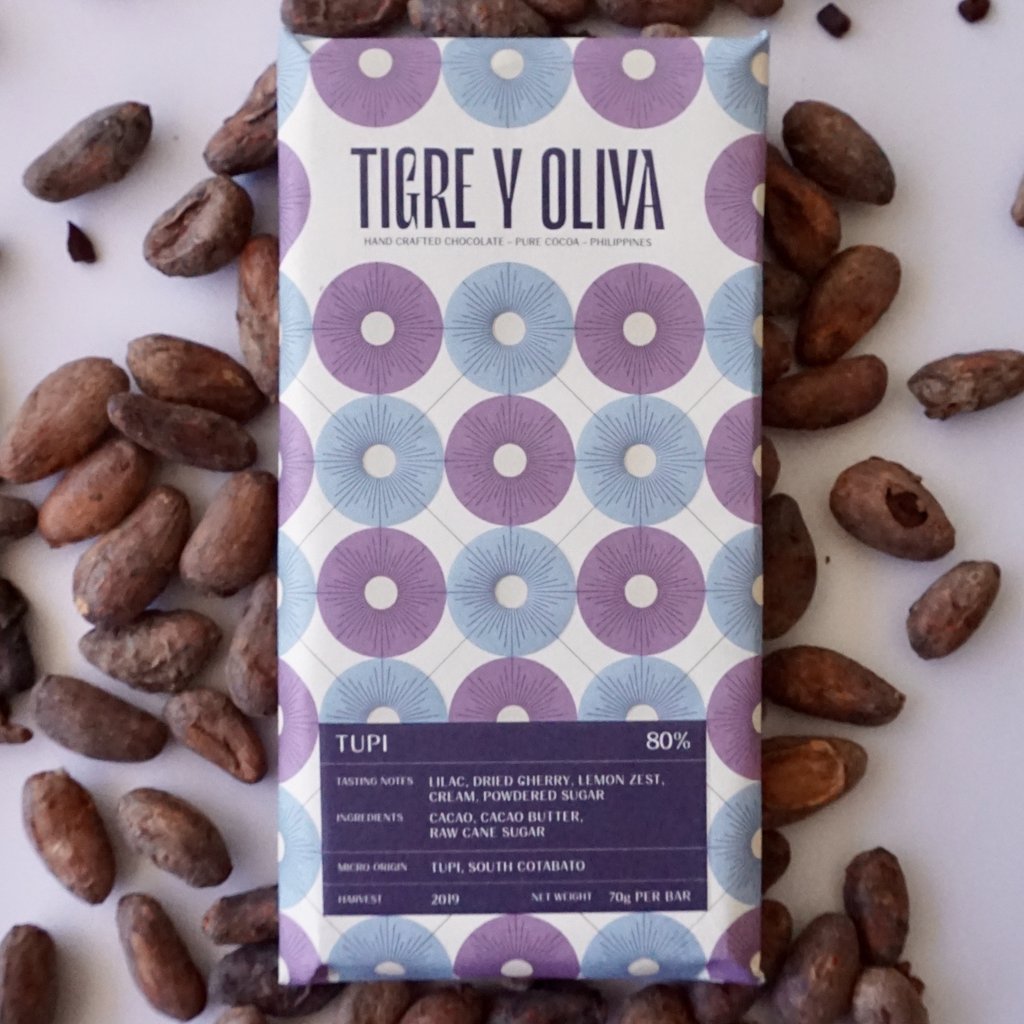
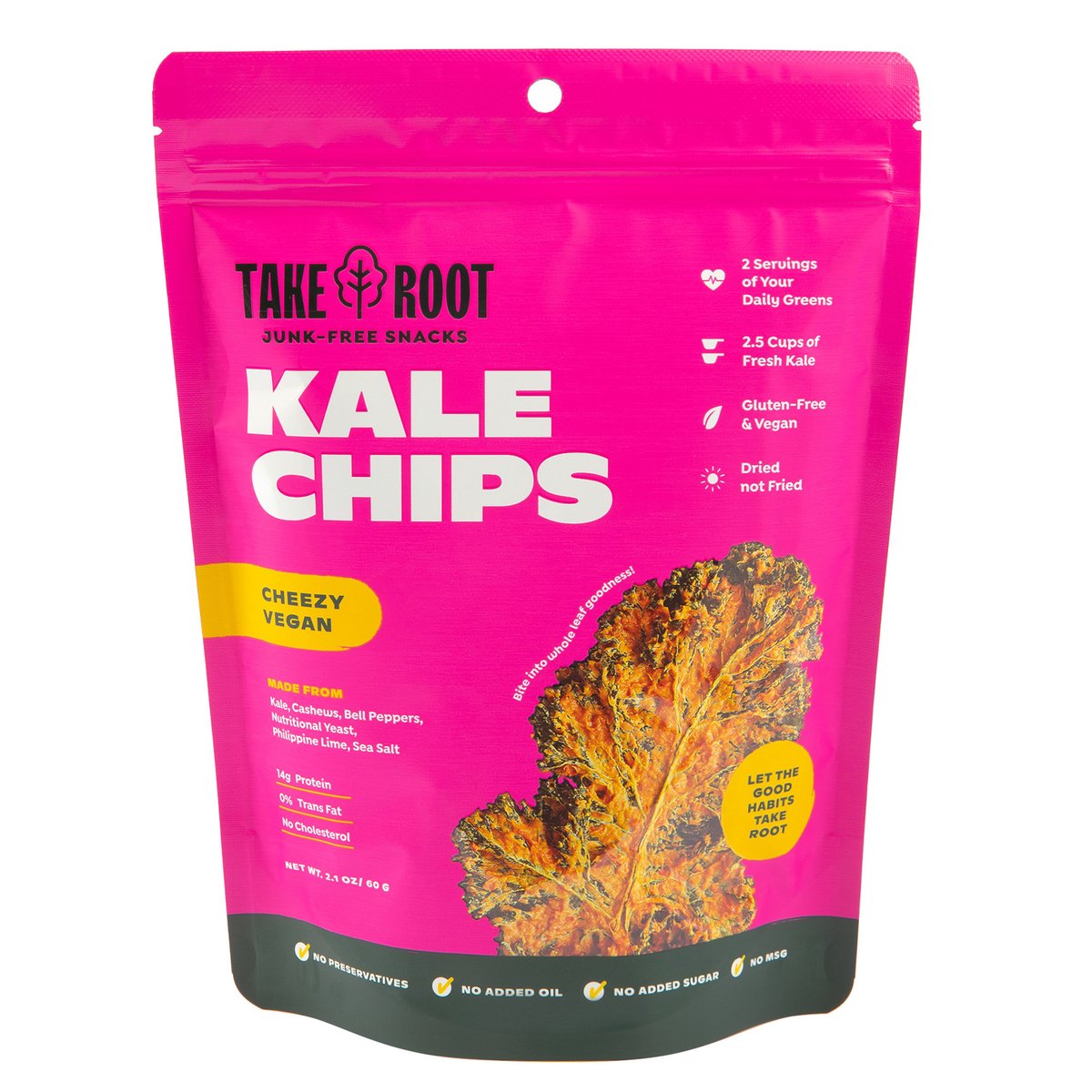
Some common real-world examples of pre-packaged food include (from upper left, clockwise) bottled sardines, kombuchas, chips, chocolate bars and processed cheese. Basically, these are the things you see in grocery aisles. In contrast, the main government body that regulates canteens, carinderias, restaurants and eateries are the different local government units (LGU) where the food business is based. They follow a different set of guidelines that are found in Presidential Decree No. 856 or the Sanitation Code of the Philippines. Usually, your local City or Municipal Health Office implements these rules.
FDA LTO and CPR
As a food manufacturer, complying with FDA means two things: getting your License to Operate (LTO) and securing your Certificate of Product Registration (CPR)–certificates if you have multiple food products.
A License to Operate is a document that recognizes the legitimacy of a business to produce food. It allows a business to do activities related to (depending on the application) the manufacture, distribution, repacking, trading, storage, importation and exportation of food. Essentially, the LTO makes a record of a particular company and tries to collect and show information of the address, activities, its owner/s and product line/s. A company with many factories needs to secure individual LTOs for all the factories. It’s also necessary to get a new LTO when a food factory changes address. For almost all food businesses, the LTO is the first document that they need to secure from the FDA and is renewed periodically, depending on the years applied for. The ultimate aim of having a valid LTO is to assure the public that the facility complies with necessary food safety rules and that it only produces products that are wholesome and safe to consume.
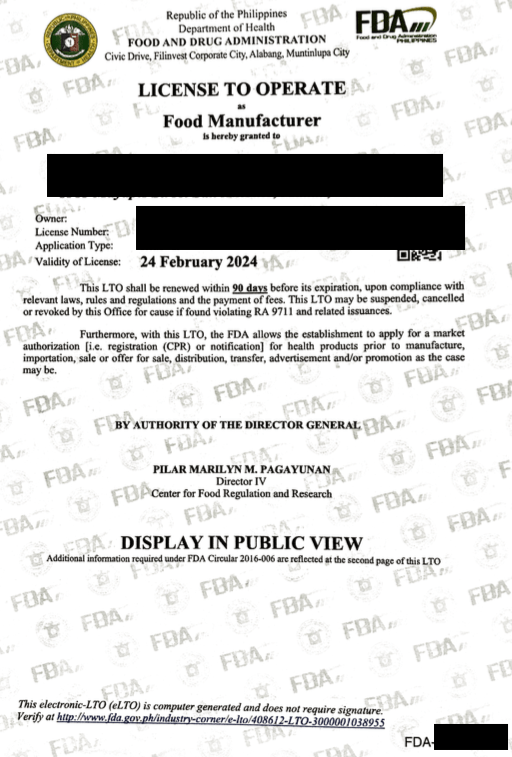
On the other hand, a Certificate of Product Registration is a document that needs to be secured for every food product that the licensed facility produces. EVERY. FOOD. PRODUCT. This means that even if you only have one product type, say chips, but it comes in many different flavors or sizes, every variation of that product needs to have a CPR. A CPR is also location specific and there should be a valid LTO first before any business can apply for a CPR. A food manufacturer with multiple factories located in different addresses but produces the same kind of food in all of the factories must still secure individual product CPRs. Some requirements needed to obtain a CPR are microbiology test, physico-chemical test, compliant labels or packaging prints, shelf-life study, nutritional test and other relevant documentation to establish the veracity of any health or product claims. Ultimately, a CPR’s main goal is to establish the safety profile of a food product. This means that the food should not cause any kind of negative or adverse health effects when consumed.
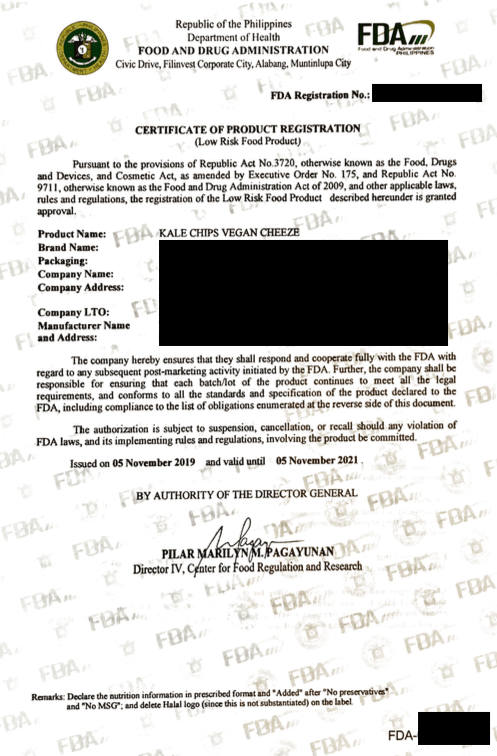
Who asks for these documents, anyway? If you want to supply to groceries, large retailers, deal business-to-business, or generally want your product to be out there, a valid LTO and CPR is often required. You are asked for these documents even before you begin any negotiations. These documents are often part of a food business’ folio apart from the usually company profile and business permit.
Final Thoughts

*sigh* Such a hassle, right? For me, diving into the world of regulatory work is one of the most boring, if not the most boring part of food science–but it is a necessary. It establishes consumer safety, a critical concept if you want to be successful in food. Under no circumstance should you want anyone to be harmed by your product. EVER. At the end of the day, your food product should only be figuratively described as to die for.
 THE FOOD TECH GUY